

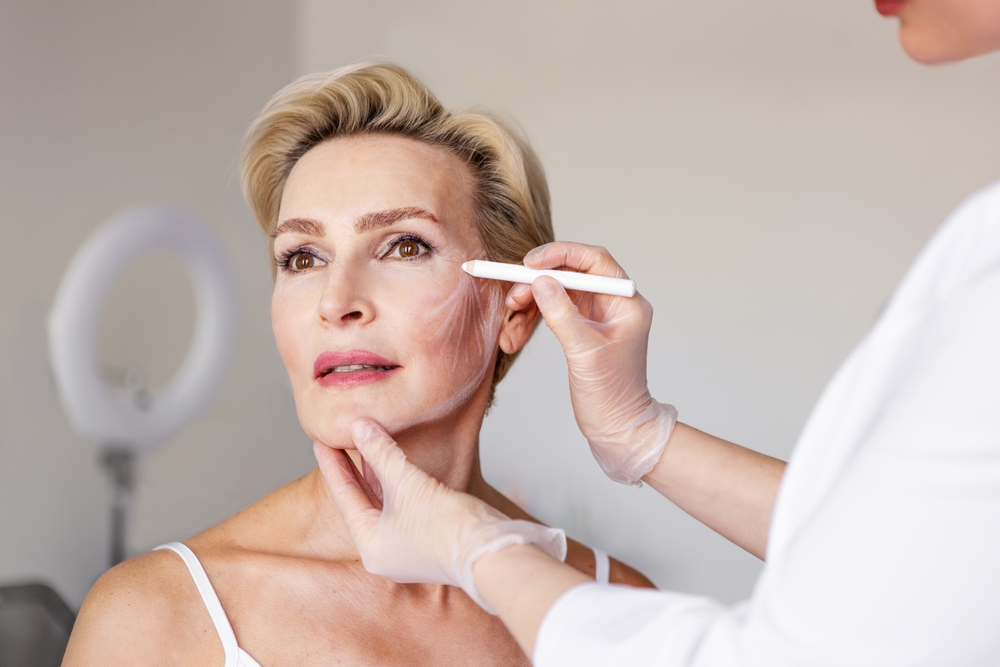
Facelift recovery is one of the most common topics that comes up during our pre-operative consultations, and for good reason. How long will you need to take off? When will you start looking like yourself again? What does the day-to-day actually feel like?
Those are completely normal questions, and they deserve honest answers. The truth is that facelift recovery is more manageable than most people expect. But it does take time, and knowing what is coming makes a real difference in your confidence. The more prepared you are, the easier it is to rest, trust the process, and let your results emerge on their own timeline.
Here is a realistic, day-by-day look at what to expect during the first thirty days of post-facelift recovery timeline.
Facelift Recovery Timeline Day By Day: What to Expect in the First 30 Days
The first 30 days after a facelift are a gradual healing process. Each week tends to bring noticeable improvements as swelling subsides and everything begins to settle into place. While everyone heals a little differently, patients usually follow a similar healing progression as their facial features look more natural over time.
Days 1–3: Immediate Post-Op Recovery
The first few days after surgery are the most intense part of the post-facelift recovery process. You may feel swollen and bruised, and your face can feel tight, firm, or numb as healing begins. These effects are completely normal and typically peak within the first 48 to 72 hours before gradually improving.
You will leave the surgery center with bandages in place to support healing and help reduce swelling. Try not to worry if they feel a little bulky or unfamiliar at first; that’s part of the process. Keep them clean, dry, and in place unless Dr. Angelos tells you otherwise, and remember that they’re there to protect your results during these early days of healing.
Your sleeping position is especially important during the first few nights after facelift surgery. You’ll want to sleep on your back with your head elevated to help reduce swelling. Using extra pillows or a wedge pillow can help make this more comfortable.
Many of our patients describe their discomfort during this phase as pressure or soreness rather than sharp pain. Make sure to take medications as directed, rest, and follow post-operative care instructions closely to help ease discomfort during early facelift recovery.
Days 4–7 – Early Healing Phase
After the initial 72 hours, you’ll likely start noticing early signs of improvement in the facelift recovery timeline. Bruising begins to fade, changing from darker tones to lighter yellow or green shades as the body heals.
You may still feel swollen, but it typically starts to soften, which is a reassuring sign that recovery is progressing. Light movement is encouraged at this stage. Short walks and gentle daily activities can help improve circulation and reduce stiffness, but you should still avoid strenuous exercise.
Emotional ups and downs are a completely normal part of early facelift recovery, even if they catch some patients off guard. Seeing your face swollen and bruised, while also resting more than usual and stepping back from normal life, can affect your mood in unexpected ways. This is completely normal, and it doesn’t last. Most of our patients begin to feel more like themselves by the end of the first week, both inside and out.
Week 2 – Visible Improvement
By the second week after a facelift, many of our patients notice visible improvements in both how they feel and look. The care team often removes stitches during this phase, which can relieve tightness and improve your ease of movement.
You may still have some residual swelling, especially later in the day, but it will continue to improve. Any remaining bruising is usually minimal and easier to conceal.
Many of our patients begin to feel comfortable going out in public around this time. Our care team will give you guidance on post-surgery skincare and sun protection.
Week two is often a turning point. This is when you start seeing the results of the process and feeling more confident in your appearance.
Weeks 3–4 – Returning to Normal
During weeks three and four, you’ll likely feel much more like yourself again. In this stage of facelift recovery, swelling is usually mild and continues to improve, allowing your natural facial contours to become more visible.
Depending on your healing progress and Dr. Angelos’ guidelines, you may reintroduce light to moderate exercise at this stage. Approach more intense activities carefully for now.
Many of our patients return to work and normal activities during this time, especially if their job is not physically demanding. Any remaining signs of surgery are typically subtle.
Scars are often a top concern for patients at this stage, and it helps to know that pink or slightly firm incisions are completely normal. Healing skin takes time, and what you see now is not the final, long-term result. Following Dr. Angelos’ recommendations for incision care and sun protection gives your skin the best possible environment to continue healing well.
By the end of the first month, you’ll notice a more refreshed, natural appearance. While your final results will continue to refine over the coming months, this stage of the facelift recovery timeline is when many of our patients truly begin to enjoy their transformation.
What’s Normal in the Facelift Recovery Timeline vs. When to Call Dr. Angelos
Recovery looks different for everyone, but knowing what to expect can make the process feel much less daunting.
Swelling, bruising, tightness, and temporary numbness are all normal parts of facelift recovery. You may also notice mild asymmetry or swelling that shifts throughout the day. These symptoms are expected and improve steadily over time.
That said, some signs do warrant a call to Dr. Angelos. Reach out promptly if you notice severe or worsening pain, sudden swelling on one side, unusual redness or warmth, fever, or drainage that doesn’t seem right. Catching anything out of the ordinary early is always the right move.
Facelift Recovery Tips
During the first thirty days of post-facelift recovery, small daily habits can make a significant difference in your comfort and healing:
- Sleep upright with your head elevated
- Stay well hydrated
- Eat a balanced, nutrient-rich diet
- Avoid smoking
- Avoid alcohol
- Protect your skin from sun exposure
- Keep movement low-impact and gentle
Support You Can Count on During Post-Facelift Recovery
The first thirty days of the facelift recovery timeline are a journey, and no two patients move through it exactly the same way. What stays consistent is this: with the right care and support, most patients come out the other side feeling more like themselves than they have in years.
If you’re considering a facelift or have questions about recovery, Dr. Angelos and the team at Charleston Plastic Surgery are here to guide you every step of the way. With extensive experience in facial rejuvenation procedures and a patient-focused approach, Dr. Angelos is known for delivering natural-looking results while prioritizing safety and comfort throughout every stage of the facelift recovery timeline.
Contact our office to schedule a consultation and learn how our team can support you through your facelift recovery journey.