
Charleston Plastic Surgery

Office Address

2295 Henry Tecklenburg Dr, Charleston, SC 29414

Phone Number

(843) 722-1985

Office Address

2295 Henry Tecklenburg Dr, Charleston, SC 29414

Phone Number

(843) 722-1985

Blog

Layered Anti-Aging: How Combining Fillers + Skincare Leads to Longer-Lasting Facial Rejuvenation

When the air cools and Charleston’s humidity starts to fade, your skin definitely starts to notice. If things feel a bit drier, tighter, or less radiant, it may be time to refresh your anti-aging routine. At Charleston Plastic Surgery, we love a layered approach to rejuvenation: pairing injectables that smooth and lift with collagen-supporting products and medical-grade skincare that keeps your complexion healthy and hydrated. When these treatments work together, you’ll see results that not only look more natural but also last longer, helping your skin stay glowing and confident through every season. Beyond One-and-Done: How Combining Treatments Creates Natural, Lasting Results The most effective anti-aging results aren’t achieved with just one treatment, but through a strategic combination that works in harmony to support your skin. Dermal fillers and anti-wrinkle injections restore volume and lift deep structures, but when paired with a consistent, medical-grade skincare routine, your results go further. Daily hydration and nourishing ingredients build a healthier foundation, allowing fillers to settle more naturally and last longer.  Skincare also protects against filler breakdown. Sun protection, antioxidant support, and stress-reducing habits help prevent premature degradation of hyaluronic acid fillers, keeping your results smooth and vibrant. At the same time, complementary treatments like chemical peels or microneedling target surface-level concerns. This results in improved tone, texture, and pigmentation, so the skin appears more even and radiant. Ingredients like retinoids and peptides further reinforce collagen, strengthening the skin’s structure to support filler results and prolong your rejuvenated appearance. When these strategies are combined, each layer of care enhances the others, creating results that are not only natural-looking but also long-lasting, balanced, and radiant. How Injectables, Collagen Support, and Skincare Work in Sync Injectables: Restoring the Foundation Beautiful, natural-looking results begin with a strong foundation, and in facial rejuvenation, injectables help create that base. Over time, we naturally lose collagen, fat, and bone structure, which can leave the skin looking less firm and more shadowed. Dermal fillers help restore that lost volume, lift facial contours, and smooth deeper lines, while preventative Botox relaxes overactive muscles that cause expression lines. Together, they rebuild the structure beneath the skin for a refreshed, natural-looking result, never overfilled or frozen. Collagen Supporting Products: Building Strength Beneath the Surface Once the foundation is restored, it’s all about keeping it strong. Collagen-supporting products help reinforce your skin from within, stimulating renewal and improving elasticity over time. Ingredients like retinoids, peptides, and growth factors encourage your skin to produce more of its own collagen, helping fillers look their best and last longer. This layer of care ensures your results aren’t just visible on the surface but supported deep beneath it. Adding these targeted, medical-grade skincare products to your daily routine keeps your skin firm, radiant, and resilient long after your in-office treatments. Medical Grade Skincare: Protecting and Prolonging Results Once injectables restore the foundation and collagen-supporting products strengthen it from within, medical-grade skincare becomes the finishing layer that protects your investment. These formulas go beyond what you’ll find over the counter. They’re designed with higher concentrations of active ingredients to target fine lines, uneven tone, and dehydration at a cellular level. When used consistently, medical-grade products help your fillers last longer, your skin stays hydrated, and your results look smoother and more radiant overall.  By combining fillers and skincare, you’re not just refreshing your look but giving your skin the ongoing care it needs to stay healthy, balanced, and beautiful through every weather change. Personalized Facial Rejuvenation: Building a Plan That Works for You The most effective approach to facial rejuvenation comes from a customized treatment plan designed around your unique skin type, age, and goals. By layering your anti-aging treatments in a way that complements your skin, you get results that are natural-looking, balanced, and long-lasting. Fall and winter are particularly ideal for refreshing and rejuvenating your skin, as treatments combined with seasonal hydration strategies can protect your results through the drier months. Scheduling a professional consultation allows our aestheticians to create a custom anti-aging plan tailored to your needs, ensuring your facial rejuvenation delivers optimal, long-lasting outcomes. With a personalized approach, you’re investing in both immediate improvements and the long-term health and vitality of your skin. Seasonal Skincare Strategy Charleston’s climate can have a major impact on your skin and your filler results. During the humid summer months, skin tends to be oilier and more resilient, which can slow filler breakdown and make your anti-aging treatments last longer. In contrast, cooler, drier winter air can dehydrate the skin, causing lines to appear more prominent and fillers to fade faster. To protect your results, it’s important to adjust your routine to better suit the current season. Incorporating richer moisturizers, barrier-supporting creams, and more frequent hydration-focused facials helps maintain plumpness and preserve the longevity of your injectables. By tailoring your care to the seasons, you ensure your skin stays smooth, radiant, and healthy all year round. The Beauty of Balance True anti-aging isn’t about chasing perfection with a single treatment. It’s about creating harmony between your skin’s structure, health, and daily care. By combining dermal filler and medical-grade skincare in a personalized plan, you can achieve results that are natural, balanced, and long-lasting. Maintaining these results requires consistent care:  SPF is a must: Make daily SPF a non-negotiable to protect against UV damage that can break down fillers. Become familiar with retinoids: Reintroduce retinoid-based serums after the initial healing phase to stimulate collagen and improve texture. Make vitamin C your best friend: Use antioxidants like vitamin C each morning to brighten and protect your complexion.  Hydrate from the outside in: Keep your skin plump and supple with hydrating serums and moisturizers that contain hyaluronic acid and peptides. By layering treatments thoughtfully and supporting them with a consistent, targeted skincare routine, you create a foundation for long-lasting facial rejuvenation. Schedule a consultation with our Medical Spa to discover a custom anti-aging plan tailored to your unique skin, helping you stay radiant, refreshed, and confidently youthful all year long.

Common Breast Lift Techniques and Customizations Explained

Many women reach a point when they notice subtle shifts in the shape or position of their breasts. This realization can spark a desire for renewal, and whether the motivation is toward a more youthful contour or a gentle lift, modern breast lift techniques give surgeons the tools to create results that look natural, balanced, and tailored to each individual. This guide breaks down how these techniques work, the options your surgeon may recommend, and what the recovery process typically involves. With a clear understanding of the procedure, you can decide whether a breast lift aligns with your needs and long-term aesthetic goals. Why a Breast Lift Might be Right For You Time and many life changes can influence the shape and position of the breasts. Natural aging, gravity, pregnancy, breastfeeding, weight fluctuations, and genetics all play a role in how the breast shape changes throughout life. These changes are completely normal, but they may affect how you feel about your body, your appearance, and overall confidence.  A breast lift, or medically known as mastopexy, is a surgical procedure designed to restore the shape of the breasts to a more natural and youthful position. Through lifting and reshaping the breast tissue, the surgery can not only improve the position of the breast but also the firmness, contour, and symmetry.  If you are happy with the size of your breasts, but would like a fuller, perky shape, a breast lift is fully customizable to achieve your desired outcome. However, if you would like to add or take away volume from your breasts, a lift may be combined with a breast augmentation or reduction to achieve the perfect results.  During your consultation, Dr. Bossert will take the time to understand your goals and desired outcome, carefully tailoring a surgical plan designed to achieve the most natural, beautiful results for you. What Causes Changes in Breast Shape While natural aging is one of the most common reasons our patients come to us for a breast lift, it is certainly not the only reason. Over time, gravity and a gradual loss of skin elasticity can cause the breasts to sit lower or feel less firm. Pregnancy and breastfeeding place significant demands on the body, and the breasts are no exception. As breast tissue expands and later contracts, changes in skin elasticity can result in a noticeable difference in shape and volume. Weight fluctuations can influence contour as well, as changes in body fat can lead to stretching, shrinking, and eventual drooping or unevenness. While these factors influence the transformation of our bodies, another important layer responsible for everything from the size of our breasts to aging and hormonal changes is our genetic makeup. Because no two people experience these changes in the same way, breast lift surgery is not a one-size-fits-all procedure. How Plastic Surgeons Customize Breast Lift Techniques To address these varying causes and degrees of change, plastic surgeons customize breast lift techniques by evaluating each patient’s anatomy, goals, and overall proportions. Key considerations include the degree of sagging, the quality of the skin, the position of the nipples, and how the breasts relate to the rest of the body. Customization involves choosing the right incision pattern, deciding how much tissue to remove or reposition, and adjusting the nipple and areola for symmetry and the most natural-looking results. By taking these individual factors into account, surgeons can create a customized plan to achieve results that align with the patient’s goals and vision. Common Breast Lift Techniques and Incision Patterns During your consultation, Dr. Bossert may discuss using different incision patterns to achieve your desired results. Each incision pattern offers a different balance of access, lift, and scar placement. Periareolar: This method is most often used to correct mild sagging. A circular incision is placed around the edge of the areola to tighten nearby tissue and excess breast skin. This technique is often combined with breast augmentation when patients want both lift and added volume. Vertical: Often chosen for moderate sagging, this technique removes excess skin and reshapes the lower breast for a more lifted contour. It involves 2 incisions, one along the edge of the areola and one running vertically from the bottom of the areola to the breast fold, creating a “lollipop” shape.  Inverted T: Designed to correct moderate to significant sagging, the inverted T pattern provides the greatest access for removing extra skin and repositioning tissue. It involves an incision around the areola, a vertical incision to the fold, and a third incision along the inframammary crease. Crescent: When a touch of a lift is needed in combination with a breast augmentation, a crescent lift may be the perfect solution. A small incision is hidden on the upper edge of the areola, and a crescent-shaped piece of skin is removed to subtly elevate the breast. While this technique is less common and much more subtle than other methods, it is the perfect fit for some situations. Tissue Repositioning and Reshaping  During the procedure, surgeons reposition the breast mound, tighten the surrounding skin, and move the nipple and areola to a higher position. These steps help restore firmness and balance without requiring breast implants, though augmentation can be added if a patient wants extra volume. Breast Lift Recovery Timeline  Recovery after a breast lift is typically straightforward, although it varies based on the technique used. Patients can expect swelling, bruising, and mild discomfort during the first weeks. These symptoms are temporary and can be effectively managed with prescribed medication and clear postoperative instructions provided by our staff. Most patients return to light daily activities within 5-7 days, while more strenuous exercise and heavy lifting are often restricted for 4-6 weeks. Incisions continue to heal over time, and swelling or firmness typically improves throughout the first few months. Following your surgeon’s instructions carefully helps ensure a smooth recovery and optimal, long-lasting results. Customized Breast Lifts With Charleston Plastic Surgery  Different breast lift techniques provide a customizable and personalized experience to restore breast

Why Bleph Eye Surgery Is Trending — and What It Can Do

If you watch entertainment news or follow beauty trends on Instagram, you may have seen an increase in chatter around a tiny surgery called a bleph, or blepharoplasty. With speculation that everyone from Taylor Swift to Emma Stone to George Clooney may have quietly refreshed their look with an eyelid lift, it’s no surprise that interest in this subtle, confidence-boosting procedure has grown well beyond Hollywood. But what many people don’t realize is that a blepharoplasty isn’t just a cosmetic procedure. For some patients, the benefits of eyelid surgery go beyond aesthetics, helping to repair blocked or decreased peripheral vision that can cause eyes to become fatigued. So, let’s break down how this procedure works, what it can do, and why it’s becoming so popular. Eyelid Anatomy and Why the Area Ages So Quickly Our eyelids are made up of some of the most delicate and thinnest skin on the body. That is why it can be more vulnerable to environmental elements, sun damage, and the natural aging process. Not only are gravity and genetics at play, but for some dry eye or allergy sufferers, the eyelids are even more vulnerable to premature aging.  You might notice a heaviness of the upper eyelid and disappearance of the natural crease at first, or more pronounced bags under the eyes, causing you to look tired or stressed when you’re feeling great. All of these factors explain why eyelid concerns often show up earlier than wrinkles elsewhere. What “Bleph” Really Means The word bleph has become an informal and shortened version of the more formal surgical term blepharoplasty. But like many medical terms, the root of bleph is from the Greek word blépharon, meaning eyelid, and plasty, from plassein, meaning to form or mold. In simple terms, bleph eye surgery removes excess skin, tightens or repositions tissue, and enhances the contour of the upper and lower eyelids. The procedure is done through very small incisions that are placed within the natural folds of the eyelids to ensure minimal and discreet scarring. Additionally, Dr. Angelos or Dr. Bossert may reposition the underlying muscle for better support and adjust fat positioning to smooth hollow areas. Your surgeon will review your personalized plan with you during the preoperative appointments. Despite its trendy nickname, this is a well-established outpatient procedure with a long history in facial plastic surgery. Surgeons can perform it alone or combine it with other surgical procedures, like a brow lift, for a more complete result. Benefits of Eyelid Surgery Many people initially explore blepharoplasty because the non-surgical treatments to reduce the sagging around the eyes offer only temporary results, and they want to look more like themselves again. In addition to looking refreshed and more awake, the benefits of eyelid surgery extend beyond aesthetics alone. Enhanced comfort: Correcting sagging tissue reduces heaviness and eye fatigue. Improved vision: Lifting obstructive skin can improve vision by widening the visual field. Brighter eyes: Smoother contours and lifted lids help restore a more open, energized look. Improved symmetry: Precise adjustments can reduce uneven folds or weight on one side. Better crease definition: Refining the natural crease helps makeup apply more evenly. Reduced puffiness: Removing or repositioning fatty tissue smooths lower lid bulges. Long-term results: Outcomes often last many years with proper care. Types of Eyelid Surgery Different types of eyelid lifts address different concerns. Your surgeon will recommend the best option based on your anatomy and goals. Upper Eyelid Blepharoplasty An upper bleph is commonly sought by patients to make their eyes brighter or also improve their field of vision. This approach focuses solely on the upper eyelid. By removing loose skin and redefining a natural crease, patients will notice a more alert appearance and improved peripheral vision. Lower Eyelid Blepharoplasty The lower bleph surgery targets puffiness, wrinkles, and bags under the eyes. Surgeons may remove or reposition fat to smooth the area where the eyelid meets the cheek. This option works well for patients with persistent dark circles caused by shadows from displaced tissue, not pigment. Combined Upper and Lower Bleph For some patients, combining an upper and lower blepharoplasty in one surgery is a better option to achieve brighter and more balanced symmetry. A combination approach delivers long-lasting results with less downtime, allowing patients to recover once and enjoy the benefits sooner. Who Is a Good Candidate for Eyelid Surgery? The growing popularity of blepharoplasty may be attributed to its universally appealing results and its ability to create a more youthful appearance by refreshing the eyes, without the need for a full facelift. If you notice your eyelids looking a bit heavier or the bags under your eyes a little more pronounced, and you are not 100% satisfied after trying skincare or non-surgical treatments, a bleph may be the solution.  As with all plastic surgeries, it is important to have realistic expectations and know that surgery does not prevent future aging, but will restore smoother, more youthful contours. Recovery After Bleph Eye Surgery Recovery from bleph eye surgery is usually straightforward. Mild swelling and bruising appear in the first week but improve steadily. Many patients say their eyes feel tight or dry for a short time, especially if they already deal with dry eye. Most people return to light activities within a few days, though strenuous exercise should wait at least two to three weeks. Incisions heal gradually and fade within natural creases. Because this is an outpatient procedure, patients return home the same day, following instructions for cold compresses, eye lubrication, and limited lifting. Protecting the area from sun exposure also helps with healing. Looking Ahead: Is Bleph Eye Surgery Right for You? Bleph eye surgery has earned its moment in the spotlight for good reason. It offers a subtle, refreshed look that feels natural instead of dramatic, while also addressing concerns like sagging skin, blocked vision, and persistent heaviness around the eyes. Whether you’re drawn to the trend or looking for a functional improvement, blepharoplasty can make a meaningful difference in both

The Best Age to Get a Facelift According to Plastic Surgeons

As we age, the signs of time become more visible on our faces. While aging is a natural process, it doesn’t mean we have to accept its effects without a fight. For many, face enhancement procedures like a facelift are an excellent way to rejuvenate their appearance and restore a more youthful look. But what is the best age to get a facelift? Today, we’ll take a look at the best age to get a facelift based on insights from our Charleston Plastic Surgery team. We’ll also explore the benefits of timing your facelift at the right moment in your life and how choosing a trusted surgical team can make all the difference. The Aging Process and Facelift Surgery Before exploring cosmetic options, it’s important to understand how the natural aging process affects your facial features. Over time, your skin loses elasticity, collagen, and volume, causing wrinkles, sagging cheeks, jowls, and a less defined jawline. Weakened facial muscles can further accentuate these changes, contributing to an older-than-your-age appearance. A facelift, or rhytidectomy, is designed to lift and tighten the skin, muscles, and connective tissues of the face and neck. The result? A more youthful, rested, and rejuvenated look that can take years off your appearance.  Timing is important for any surgery. For long-lasting facelift results, factors such as the degree of aging, skin quality, and personal aesthetic goals are essential considerations. The Best Age to Consider a Facelift In Your 30s: Prevention For those in their 30s who have a family history of early aging or who have experienced environmental damage (like sun exposure), a facelift might help prevent the more noticeable sagging and wrinkles that typically appear later in life. This is a great age for preventative cosmetic procedures, such as mini facelifts, or non-surgical options like Botox or dermal fillers, which can help maintain facial structure and delay the need for more invasive surgical procedures.  If you are considering a facelift in your 30s, it’s important to consult with an experienced plastic surgeon who can determine the best approach for your unique needs and goals. With the right timing, you can enjoy a more youthful, refreshed appearance for years to come. In Your 40s and 50s: Rejuvenating For many, the signs of early facial aging appear in their 40s or 50s. You may start noticing the gradual development of fine lines, wrinkles, or mild sagging around the cheeks, jawline, or neck. At this age, you may also notice that your face starts to lose some of its volume and contour. This is an excellent time to consider a facelift, particularly if you want to maintain a youthful look before the signs of aging become more pronounced. Because the skin in your 40s and 50s is still relatively elastic, results are typically more natural and can last for years. Choosing surgery in this stage of life can help you avoid more dramatic changes later on when the aging process may be more difficult to reverse. While the idea of surgery may seem daunting, many patients in their 40s and 50s find that a facelift offers the best results when they are proactive about their appearance and take action early on. The recovery time is generally shorter, and the results tend to be more aesthetically pleasing when the skin hasn’t yet lost all its youthful elasticity. In Your 60s and 70s: Restorative In your 60s or 70s, your skin may have lost much of its elasticity, causing the signs of aging to be more visible. In this age group, patients often seek out a facelift to restore volume and tighten sagging skin around the face and neck. This is when a facelift can truly work wonders to improve your facial contours and provide a more vibrant appearance. For patients in their 60s and 70s, a facelift can effectively address more advanced signs of aging, including prominent jowls, deep wrinkles, skin laxity, and significant loss of skin tone. Recovery time may be slightly longer, but with the right preparation and a skilled board-certified plastic surgeon, the results are often impressive. Undergoing a facelift during this stage of life can be transformative, enhancing self-esteem and confidence while helping you achieve a rejuvenated appearance. Over 70: Non-Surgical Options May Be Considered While facelift surgery is often successful for patients over 70, some people may find that non-surgical options better suit their needs. For those in this age group, non-invasive procedures like Botox and/or dermal fillers may be a more practical alternative for reducing the appearance of wrinkles and sagging. Of course, if you’re in good overall health, there’s no reason why a facelift couldn’t be an option, but it’s important to discuss with your surgeon whether the procedure is right for you at this stage of life. For some, a facelift may not be recommended due to underlying health concerns, while others may find the results worthwhile for a more youthful appearance. Key Factors That Impact the Decision to Get a Facelift While age plays a significant role in determining the right time for a facelift, there are several other factors to consider before making the decision to undergo surgery: Skin Condition: Younger individuals with good skin elasticity tend to see the best results from facelift surgery. However, if your skin is healthy and you have realistic expectations, a facelift can still be an excellent option at any age. Health Status: Overall health is crucial when considering any surgery. A consultation with your plastic surgeon will help determine if you’re healthy enough for a facelift and if there are any factors that might complicate the procedure. Lifestyle and Recovery: Facelift recovery requires some downtime, and you’ll need to rest and avoid strenuous activities. If you lead a busy life, this is an important factor to consider. For those with a flexible schedule or time to heal before big events, a facelift can be a great option. Realistic Expectations: It’s essential to understand that a facelift won’t stop the aging process but will

The Subtle Art of the Brow Lift: How Small Lifts Create Big, Natural-Looking Results

Curious about brow lifts but unsure if they’re right for you? You’re not alone. Whether you are in your 20s or in your 70s, a brow lift may be just the procedure to give you the facial symmetry that you desire and improve the appearance of hooded lids, a prominent forehead, wrinkles, or low-set brows. A brow lift can deliver meaningful results without compromising your natural expressions. At Charleston Plastic Surgery, we understand surgery can feel intimidating at first. This guide provides a comprehensive overview of everything you need to know about brow lifts, including the different approaches, the benefits of a brow lift, and what to expect throughout the process. Our goal is to help you feel informed and confident in the possibilities. What Is a Brow Lift? A brow lift is a surgical procedure designed to elevate the eyebrows and smooth the forehead, addressing both aesthetic and functional concerns. Functionally, a brow lift can help correct hooded lids, open the field of vision, and reduce heaviness around the upper eyelid area. Aesthetically, it lifts the brows to alleviate a tired or stern look and softens wrinkles around the eyes and forehead, creating a more refreshed expression and bright eyes. Many patients combine a brow lift with eyelid surgery (blepharoplasty), creating a seamless harmony across the forehead and eye region with only one recovery period. Others opt for a more subtle approach that offers gentle elevation and refinement, without overpowering natural features and maintaining authentic expression while giving a refreshed look. Types of Brow Lifts Dr. Angelos tailors his surgical technique to achieve the patient’s desired outcome. Whether a patient is seeking a subtle enhancement or a more dramatic result, he, along with our dedicated staff, ensures each patient is thoroughly informed about the procedure before surgery. Endoscopic Brow Lift Minimally invasive and performed using small incisions, this method gently elevates the brow. Patients who want a natural, refreshed look with a shorter recovery time often prefer this approach. Temporal (Lateral) Brow Lift Focusing on the outer portion of the brow, this technique improves sagging outer brows and softens crow’s feet—ideal for those seeking targeted refinement. Traditional (Coronal) Brow Lift Elevates the entire brow and smooths deeper forehead wrinkles. This approach is preferred by patients seeking more noticeable lifting and is often combined with eyelid surgery for enhanced upper-face results. Your surgeon will recommend the most suitable method based on facial anatomy, goals, and the degree of desired change. Benefits of a Brow Lift The benefits of a brow lift can extend beyond aesthetics; they are also functional, and in some cases even cost-effective. Patients experiencing injection fatigue from neurotoxins or fillers may find a brow lift is the perfect solution to feel and look their best while saving time and money by eliminating frequent appointments. Other patients may feel their stern expression doesn’t quite convey their true personality, and a brow lift can brighten their eyes, creating a warmer, more approachable expression. For patients experiencing a reduced field of vision due to hooded eyes, a brow lift enhances their daily life while also increasing confidence. Whether you choose a traditional or understated brow lift, you can expect: Enhanced facial harmony and upper-face balance Youthful, refreshed appearance with softened lines Functional improvements (lighter eyelid heaviness, improved peripheral vision) Natural expressions maintained—with long-lasting results What to Expect During the Brow Lift Process Understanding the process can help you feel prepared and confident. It begins with a consultation at Charleston Plastic Surgery, where Dr. Angelos evaluates your facial structure, discusses your goals, and recommends the ideal approach. He will answer any questions or concerns you have about the surgery. Throughout your preoperative journey, our staff will take before photos and recommend products to use before or after the surgery to ensure proper healing and optimal results.  During the procedure, small incisions are made along the hairline, allowing the surgeon to elevate the brow, tighten underlying muscles, and remove any excess skin. Some patients may choose to combine their brow lift with a blepharoplasty to lift the eyelids in addition to the brow, giving harmony to the upper face. Brow Lift Recovery Although the first week may be uncomfortable due to swelling and bruising around the forehead and eyes, most patients find recovery straightforward and begin to feel relief from swelling after 7-10 days, and return to work after the second week of recovery. During recovery, protect incisions and follow all postoperative guidelines to support optimal healing. Once you have been given the ok to begin exercise, start slow with walking and light activities, building up to more strenuous workouts. Within a couple of weeks, you’ll notice smoother forehead lines, lifted brows, and a refreshed, more youthful expression. You can expect to fully appreciate your results around the three-month mark when the brow settles into position and scars fade. Ready to Refresh Your Look? If you’re considering a brow lift—whether subtle or more comprehensive—now is a great time to explore your options. Charleston Plastic Surgery provides compassionate guidance, personalized treatment plans, and natural-looking results tailored to your goals. Schedule a Brow Lift consultation to discuss your goals and next steps. Prefer to speak by phone? Call us at (843) 722-1985.

How to Brighten a Tired-Looking Face with Facial Cosmetic Procedures

Even when you’re doing everything right — getting enough sleep, eating well, and staying active — your reflection can still tell a different story. If you’ve been wondering how to brighten a tired-looking face, you’re not alone. Over time, natural aging, sun exposure, and even gravity can make facial features appear dull, sagging, or fatigued despite a healthy lifestyle. Fortunately, today’s advanced facial cosmetic procedures offer effective ways to restore a refreshed, energized appearance. From subtle surgical lifts to non-invasive skin treatments that target volume loss, wrinkles, and texture, these options can help your outer look reflect how vibrant you actually feel. Common Causes of a Tired-Looking Face Before diving into potential solutions, it’s important to understand what might be causing your face to look fatigued.  1. Aging It may start slowly, or it may happen all at once, but one day you look in the mirror and see that the plumpness of your cheeks is gone, or your eyes look a little more sunken than usual. As we age, collagen and elastin, the two proteins responsible for firmness and elasticity, begin to diminish, resulting in a sagging appearance we associate with tiredness. 2. Genetics If there is one way to predict how we age, it is to look to our parents and grandparents. Genetic factors play a significant role in our appearance throughout our lives. If your mother or grandmother lost collagen early around the eyes or softened around the jawline, chances are you may experience some of the same issues. 3. Sleep Deprivation One of the most common culprits for a tired-looking face is lack of sleep. Poor sleep can cause puffiness under the eyes, dark circles, and an overall tired expression. 4. Stress Chronic stress affects the body in many ways, including your skin. Stress can lead to inflammation, which may manifest as puffiness, redness, or even fine lines. Long-term stress can also affect your sleep quality, further contributing to a tired-looking face. 5. Lifestyle Factors Some lifestyle choices or environmental factors can show on your face over time. A poor diet, excessive sun damage, or environmental exposure can take a toll on the appearance of your skin. Smoking, in particular, causes the skin to lose elasticity, leading to sagging and wrinkles around the mouth. How to Brighten a Tired-Looking Face through Facial Cosmetic Procedures For more dramatic and long-lasting results, facial cosmetic surgery may be the best option for restoring a refreshed, well-rested look to your face. These procedures are designed to address specific problem areas such as sagging skin, drooping eyelids, or tired-looking eyes. Facelift (Rhytidectomy) The facelift is one of 2025’s most talked-about celebrity procedures and one of the most popular surgical solutions to restore a youthful appearance. This facial cosmetic procedure will tighten the skin as well as the underlying tissue for long-lasting, impressive results. At Charleston Plastic Surgery, we customize each facelift to suit the individual needs and facial anatomies of our patients. Depending on your concerns, a facelift can address: Sagging skin: Tighten and smooth the skin around the cheeks, jawline, and neck. Deep wrinkles: Smooth out deep lines and folds around the mouth and chin. Loss of facial volume: Address areas where volume loss has caused hollowed or sunken cheeks. A facelift procedure is typically performed under general anesthesia, and while recovery time can vary, most patients are back to their normal activities after 2-3 weeks. The results of a facelift are long-lasting, often giving patients a refreshed and rejuvenated appearance that can last for years. Eyelid Surgery (Blepharoplasty) One of the most common areas that can make your face look tired is your eyes. Drooping eyelids or puffiness can create an expression that makes you appear older or more fatigued than you feel. Eyelid surgery, also known as blepharoplasty, is a procedure designed to rejuvenate the eyelids and reduce the appearance of sagging skin or puffiness around the eyes. Eyelid surgery can be performed on both the upper and lower eyelids. For the upper eyelids, it involves removing excess skin and fat to eliminate the “hooded” appearance. For the lower eyelids, it can address puffiness or dark circles by removing or repositioning fat. This procedure is often combined with other facial cosmetic procedures, like a facelift or brow lift, to achieve an overall rejuvenated look. Brow Lift (Forehead Lift) Over time, the forehead can develop wrinkles and furrows that make you look more exhausted or angry than you actually are. When the deep lines across your forehead cannot be tamed by injectables anymore, or you notice that your eyebrows have drooped, a brow lift may be the perfect solution to combat a tired appearance. A brow lift works by lifting the forehead and brow area, smoothing out the lines, and repositioning the eyebrows to a more youthful position. This procedure can make a dramatic difference in your overall facial expression and help you appear more refreshed and energized. There are several techniques for performing a brow lift, all of which can be tailored to meet the individual needs of each patient. How to Brighten a Tired-Looking Face through Non-Surgical Facial Cosmetic Procedures If you’re looking for a less invasive way to address a tired-looking face, non-surgical aesthetic treatments are an excellent option. These facial rejuvenation procedures typically involve little to no downtime and offer quicker recovery times than surgery. Neurotoxins (Botox and Dysport) and Dermal Fillers When you are not quite ready for the commitment of surgical recovery, but want to lift fine lines and wrinkles, injectables are a great option. With no downtime and minimal commitment, neurotoxins and dermal fillers can erase some of the visible signs of tiredness and aging. Neurotoxins: A Botox or Dysport injection temporarily relaxes the muscles responsible for wrinkles, particularly in the forehead and around the eyes. Botox is great for treating crow’s feet, forehead lines, and frown lines between the eyebrows. Dermal Fillers: Fillers, such as Juvéderm or Restylane, are used to add volume to areas that have lost fullness, such

How Seasonal Changes Affect Your Skin (And Seasonal Skincare Tips to Help)

Does your skincare routine change with the weather? It should! When summer sunshine and humidity give way to cool, dry winter air, our skin reacts to the change in conditions. If you notice seasonal breakouts or flaky skin, this is normal. Making small adjustments in your skincare routine at key times can help your skin stay hydrated and fresh throughout the year. In this guide, we’ll break down how weather affects your skin throughout the year and share expert tips on creating a seasonal skincare routine that keeps your skin protected, nourished, and glowing in every season. Why Is Your Skin Affected by Seasonal Changes? Your skin is your body’s protector. It catches all the environmental elements and absorbs the sun’s rays, humid days, the wind’s chill, and desert-like air. Our face has thinner and more delicate skin with smaller pores than the rest of the body, causing it to react more quickly to the changing environment. When the air becomes cold and dry, moisture evaporates from the skin more quickly, weakening your protective barrier and causing dryness or irritation. In warmer months, increased heat and humidity can lead to excess oil production, clogged pores, and breakouts. Even shifts in sunlight exposure throughout the year can affect collagen levels and pigmentation. What Adjustments Should I Make to My Skincare Routine? Here, we detail signs of seasonal changes and some of the aesthetic services and products that will help you maintain a youthful glow. Winter Skincare: Protecting Against Dryness and Dehydration Winter is one of the toughest seasons for skin. Cold outdoor air and dry indoor heat strip away natural moisture, leaving skin feeling tight or flaky. This can weaken your skin barrier and increase sensitivity.  It is a great season to switch to a richer, hydrating moisturizer such as Obagi’s Hydrate Luxe, or add Obagi’s Daily Hydro Drops to your purse if a mid-day boost is just what your skin needs.  An H2Glow, or Diamond H2Glow facial, can set your skin up for success during the colder months by pulling out the impurities and adding in valuable peptide serums. This treatment brightens and hydrates with lasting results.  Chemical peels or microneedling are also great additions to your winter routine. Encouraging cell turnover and boosting hydration while sun exposure is minimal helps keep your skin looking fresh and healthy. And don’t forget: Even winter UV rays can be harmful, and SPF should still be part of your daily routine. Jane Iredale Dream Tint Moisturizer and Powder Me SPF are great additions to layer sun protection. Spring Skincare: Transitioning to Balance and Renewal Spring is a season of renewal, but it can also bring breakouts and increased oil production. As temperatures fluctuate, your skin may become more reactive, and seasonal allergens don’t help. That fine green layer of pollen coating everything outdoors can also irritate your skin.  With the resurgence of humidity and sunny days, it is a great time to refresh your skincare and trade out rich moisturizers for lighter varieties such as Obagi Hydrate or Hydrate Light. Sunscreen becomes increasingly important, and Tizo tinted sunscreen is a perpetual staff favorite. If you are not using a Vitamin C serum, spring is a good time to add that to your routine. Aestheticians Angela or Bri can suggest the perfect formula for your skincare goals.  If a treatment is on your agenda, a clarifying or illuminating facial will refresh and renew your skin in preparation for summer. Pair a facial with dermaplaning or red-light therapy to ensure happy, healthy skin for the season. Summer Skincare: Managing Heat, Humidity, and Sun Exposure Summer brings stronger UV exposure, increased sweat, and high humidity, all of which can clog pores and accelerate aging. A pared-down skincare routine will serve you well in summer. No matter your goals, a quality cleanser, light moisturizer, and sunscreen are important to prevent breakouts and premature aging during Charleston’s hot, humid months.  Obagi’s Nu-Derm Cleanse and Tone Duo is a great combination to keep your skin clean and oil-free. Jane Iredale’s mineral makeup is our favorite summer recommendation. The clean formula stays on all day, but the natural ingredients don’t clog pores and cause breakouts.  Summer is a great time for a relaxing facial to clean out the pores, but if you are seeing sunspots, consult with our aestheticians before leaping into a more invasive treatment. If spending countless days soaking up the sun is on your calendar, it might not be the best time to get the optimal results.  Pro-Tip: Layer your sunscreen and reapply often to prevent sun damage, even on a cloudy day. We love Tizo and SuzanObagiMD for full coverage, great tint options, and moisturizing ingredients. Jane Iredale’s Powder Me and Amazing Base are great additions, too! Fall Skincare: Repairing and Restoring As your suntan fades, you may be realizing some skin damage from summer’s harsh sun. Fall is the perfect time for a treatment and reset of your skincare routine. Schedule a microdermabrasion, microneedling, or dermaplaning treatment when transitioning your wardrobe for a fresh, dewy glow before the holiday celebrations begin. Fall is also the perfect time to reintroduce a more robust moisturizer, and if you have paused using your C-serum while in the sun, it’s time to add it back to your daily routine as well. Obagi’s Nu-Derm or C-Line skincare kits are a great way to get back to a daily routine that is just the right mixture of products for the season. How to Adapt Your Skincare Routine Seasonally Small changes can make a big difference. Consider these steps to support your skin all year long: Switch moisturizers based on climate Adjust cleanser type based on humidity Use SPF year-round (including winter) Add antioxidants in spring/summer + barrier repair in fall/winter Pay attention to how your skin feels — and adjust accordingly Support Your Skin Through Every Season Your skin’s needs evolve with each season, and staying proactive helps keep it glowing, balanced, and healthy. Professional treatments can also help restore

Mommy Makeover Recovery Tips: What to Expect Week-by-Week

Choosing a mommy makeover is a step toward feeling confident and comfortable in your body again, but it is often a misconception that the surgery is the end of the process. In fact, it is just the beginning. Our care team is here to guide you through the recovery process as your body heals and adjusts, because we understand how excited patients are to see the final results and how challenging recovery can be at times. It is important to us that you feel your best, and from your preoperative appointments to your final post-surgery follow-up, we will give you the best mommy makeover recovery tips to heal beautifully. If you are beginning your research into a mommy makeover or are on your healing journey, this guide will walk you through what to expect as you navigate through the stages of recovery. What Is a Mommy Makeover? Dr. Bossert characterizes a mommy makeover as a combination of procedures that typically address areas affected by pregnancy, such as a tummy tuck (abdominoplasty), a breast lift or augmentation, and sometimes includes liposuction. Because we create each treatment plan based on your desired outcome, your individualized plan may include different surgical solutions. Beyond the physical transformation, many women experience a renewed sense of confidence and empowerment as they feel more like themselves again. What Influences Your Mommy Makeover Recovery?  One of the first questions patients always ask is, “How long is my recovery going to take?” While there is no single answer that is just right for everyone, here are some factors that influence recovery time after surgery. Number and type of procedures performed Overall health and age How closely postoperative instructions are followed Support at home during recovery Supporting healing with the right pace and mindset to take it easy Having a reliable support system and prioritizing restful recovery make a meaningful impact. Mommy Makeover Recovery: A Week-by-Week Timeline Recovery happens in phases, and knowing what to expect helps make the process smoother and far less overwhelming. Each stage brings new milestones—emotionally and physically—as swelling resolves, mobility returns, and confidence builds. Week 1: Rest and Relief In the first week, focus entirely on rest. Rely heavily on your support system to help you and put your mind at ease. From surgery, you can expect swelling, bruising, sore muscles, and limited mobility. Take pain medications as directed, and move gently around the house to encourage circulation, but avoid lifting anything (including children). Mommy Makeover Recovery Tip: Set up a comfortable recovery station before surgery with essentials within reach. Week 2: Early Healing Pain typically begins to ease in week two. Many patients have drains removed at this stage. Continue wound care and consistent compression garment use. Hydration and protein-rich meals support tissue repair. Mommy Makeover Recovery Tip: Continue light walking daily to support circulation.  Weeks 3 to 4: Gaining Strength During weeks three and four, swelling begins to decrease and energy gradually improves. You can slowly reincorporate simple daily tasks without strenuous exercise or lifting. Mommy Makeover Recovery Tip: For tummy tuck patients, keep posture in mind. Standing upright too fast strains healing abdominal muscles. Weeks 5 to 6: Back to Routine (With Caution) You are likely starting to feel more like yourself at this point in the healing process and returning to work and daily activities. Remember: Continue wearing your compression garments and wait for the surgeon’s OK to begin an exercise routine. Mommy Makeover Recovery Tip: Protect incisions from sun exposure to support optimal scar healing.  Weeks 7 to 8: Seeing Results Visible improvements become more noticeable, and many patients begin feeling more confident in their new shape. Continue healthy habits—hydration, nutrition, and good sleep matter. Mommy Makeover Recovery Tip: With your surgeon’s clearance, gentle massage can help soften scar tissue and reduce residual swelling. Months 3 to 12: Refining Your Results From three months to one year, final contours take shape. Scars fade, swelling resolves, and your full results become more visible. Consistent scar care and maintaining a stable weight help preserve results long-term. Documenting progress (photos, journaling) can help you appreciate how far you’ve come. Emotional Recovery & Self-Care Healing after a mommy makeover isn’t just about your body; it’s about your emotions, too. Feeling tired, a little moody, or even experiencing “mom guilt” is completely normal. Giving yourself time to rest, leaning on your support system, and showing yourself some grace are all important parts of recovery. Our team is invested in your healing and recovery. Never hesitate to ask us questions or contact us for any reason. Reassurance helps you feel more at ease and understand what to expect during the healing process. Final Thoughts on Your Mommy Makeover Recovery Mommy makeover recovery is a personal and transformative process. Healing takes time, and following your customized postoperative plan is key to achieving the best results. At Charleston Plastic Surgery, every procedure plan is individually tailored, with attentive support provided at each stage of care. Your surgical plan, recovery timeline, and follow-up care are all designed around your body, goals, and lifestyle. Whether you’re preparing for surgery or moving through recovery, our board-certified plastic surgery team is here to help you feel informed, supported, and confident throughout the process. Ready to take the next step in your mommy makeover journey? Schedule a mommy makeover consultation and begin planning your transformation. Prefer to speak with our office team by phone? Call us at (843) 722-1985.

Anti-Wrinkle Injections and Filler: A Beginner’s Guide

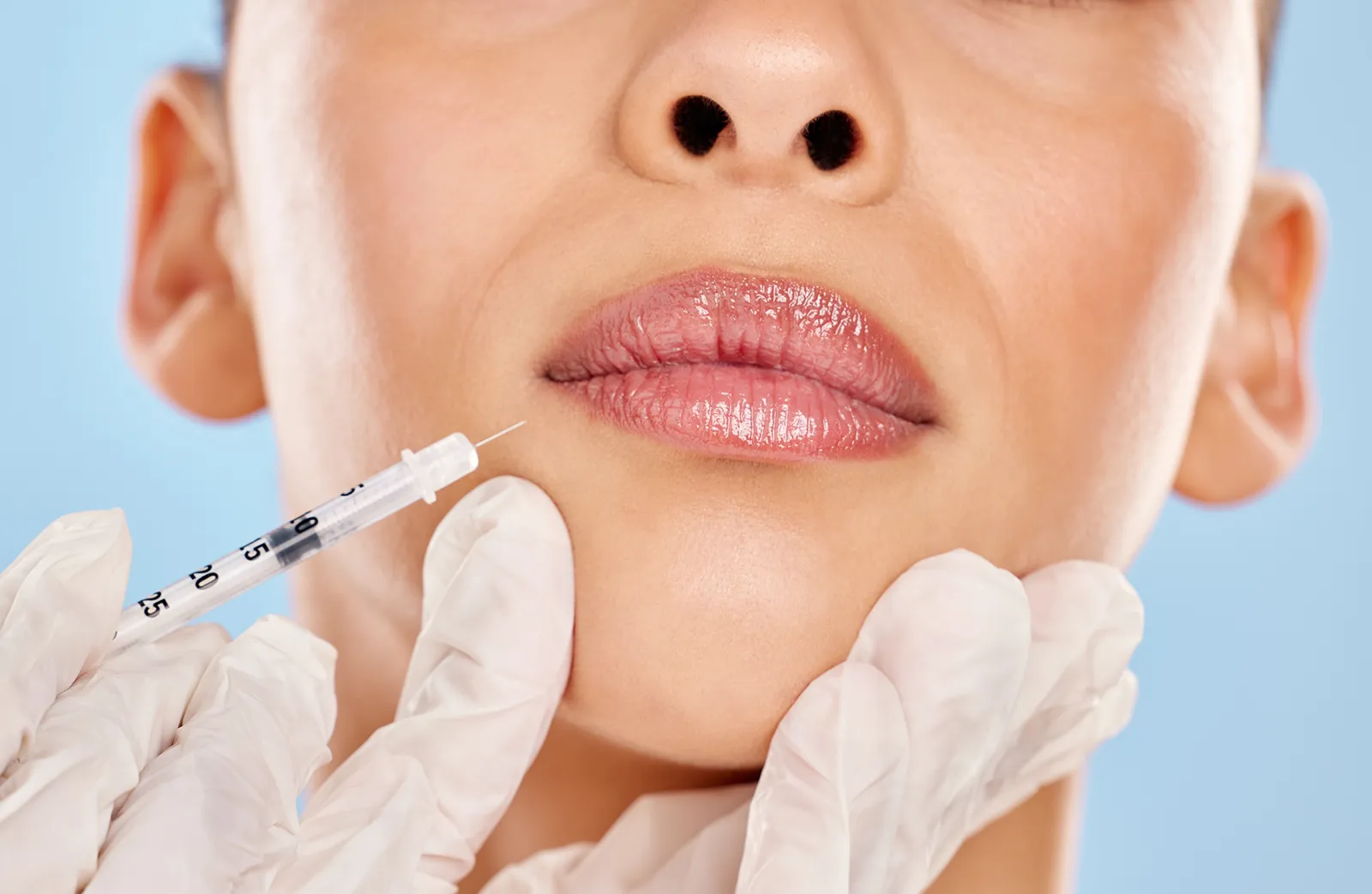
Curious about anti-wrinkle injections but not sure where to start? You’re not alone. Whether you’re looking to smooth fine lines and wrinkles, restore lost volume, or simply explore non-surgical options to minimize signs of aging, neurotoxins like Botox and Dysport—and dermal fillers like Restylane and Juvéderm—offer effective, customizable solutions. At Charleston Plastic Surgery, we know your first appointment can come with a mix of curiosity and nerves. That’s why we’ve created this guide to walk you through everything you need to know for your first visit. Let’s demystify the process and help you feel confident in your next step toward subtle, natural-looking results. Neurotoxin Anti-Wrinkle Injections For Beginners: What Are They, and How Do They Work? Neurotoxin anti-wrinkle injections like Botox and Dysport are some of the most popular cosmetic treatments in the world—and for good reason. These minimally invasive injectables work by temporarily relaxing specific facial muscles to reduce the appearance of wrinkles and fine lines. Let’s break down the differences between Botox and Dysport to help you choose the anti-aging option that’s right for you. Botox for Beginners: What to Know Botox is the most well-known name in neurotoxins, and it’s often the go-to for first-timers. It’s FDA-approved to safely and effectively treat forehead lines, frown lines between the eyebrows (also called “11s”), and crow’s feet around the eyes. How it works: Botox injections temporarily block the nerve signals to specific muscles, reducing their ability to contract. This softens facial wrinkles caused by repeated facial expressions. How long it takes: Results typically start to show within 3–5 days, with full results in about two weeks. How long it lasts: Most patients enjoy smoother skin for 3–6 months before a touch-up is needed. Dysport for Beginners: What to Know Dysport is another FDA-approved neurotoxin that works similarly to Botox treatments but has a slightly different formulation. It’s often chosen for treating larger areas like the forehead, especially if you want a very natural, “soft” finish. How it works: Like Botox, Dysport injections relax the muscles in certain areas of the face. Dysport spreads more easily than Botox, which can be beneficial for covering broader areas with fewer injections. How long it takes: Many patients see results in just 2–3 days. How long it lasts: Results typically last up to five months, depending on your metabolism and treatment area. Botox vs. Dysport: Which Anti-Wrinkle Injection Should You Choose? Both Botox and Dysport treatments deliver excellent, natural-looking results—but they have subtle differences that might make one a better fit for your goals. Let’s take a look at the key factors that can influence the decision between Botox vs. Dysport: Botox may be ideal if you want more localized precision and are treating smaller areas like crow’s feet or the glabella (between the brows). Dysport may be better for larger areas like the forehead or if you’re looking for a slightly softer, quicker onset result. At Charleston Plastic Surgery, our experienced injectors will walk you through both options and help you decide between Botox vs. Dysport based on what will work best for you. Dermal Filler for Beginners: What Is Dermal Filler, and How Does It Work? Dermal fillers are injectable treatments used to restore volume, smooth lines, and enhance facial contours without surgery. Most fillers are made with hyaluronic acid, a naturally occurring gel-like substance in the body that helps keep skin hydrated and plump.  As we age, our natural hyaluronic acid levels decrease, which contributes to volume loss and the formation of deeper wrinkles and fine lines. Dermal fillers work by replenishing this lost volume in targeted areas, providing immediate and noticeable results. Popular treatment areas include: Lips (to add volume or for shape enhancement) Nasolabial folds (smile lines) Cheeks and midface (for contour and lift) Marionette lines (lines from mouth to chin) Results typically last 6–12 months, depending on the product used and treatment area. What to Know Before Getting Dermal Fillers for the First Time Consultation is key: A good provider will assess your facial structure, goals, and health history to create a personalized plan. Expect some swelling or bruising: These are normal side effects and usually resolve within a few days. Less is more: A natural result often comes from starting conservatively and building over time. What to Expect from Your First Anti-Wrinkle Injection or Dermal Filler Appointment Knowing what to expect at your first appointment can make the process feel much more approachable. Here’s a breakdown of each stage, from consultation to results, so you can walk in with confidence. Step 1: Your Personalized Consultation Before any injections happen, you’ll sit down for a one-on-one consultation with your provider. This is your time to: Discuss your goals and areas of concern Learn about different products and what’s best for your skin, facial structure, and timeline Discuss medical history, allergies, prior cosmetic procedures, and post-treatment care Ask questions—there are no bad ones! Your provider will assess your facial anatomy and recommend a tailored plan. Step 2: What to Expect During Your Appointment Your First Appointment for Anti-Wrinkle Injections (Botox or Dysport): The injection process is quick—often just 10–15 minutes. Here’s what you can expect: Your provider will clean the area and have you make facial expressions to assess muscle contractions. They may also apply a numbing cream to reduce discomfort. A small needle is used to inject the product into targeted facial muscles (most patients describe it as a slight pinch or stinging sensation). There’s minimal downtime—you can return to normal activity right after. You may have small red bumps or minor swelling at the injection sites, but this typically resolves within 30 minutes to a few hours. Your First Appointment for Dermal Filler Injections: Filler appointments tend to take slightly longer than neurotoxin injections, especially for first-timers. Here’s what to expect: Treatment typically takes less than 30 minutes, depending on the area. Numbing cream may be applied beforehand to reduce discomfort. Your injector will use a fine needle or cannula to place the filler precisely

Tightening Loose Skin with Plastic Surgery After Weight Loss

Losing a significant amount of weight is a major achievement, but it can also bring new challenges you didn’t expect. One of the most common is loose or excess skin that doesn’t conform to your new shape. For many people, plastic surgery after weight loss becomes a natural next step in the journey, helping to restore comfort, confidence, and mobility.  Let’s explore why loose skin happens, how surgery can help, and what options may be right for your goals. Why Skin Doesn’t Always Bounce Back After Weight Loss Our skin is incredibly resilient, but it isn’t limitless. When the body expands with weight gain, skin stretches to accommodate. After significant weight loss, skin often lacks the elasticity to “snap back” to your new size and shape. This can result in sagging around the abdomen, arms, thighs, chest, and neck. This extra skin can cause discomfort, limited mobility, chafing or irritation, and interfere with personal hygiene. For many people, it becomes a daily reminder of a body they’ve already worked hard to change, making it difficult to fully enjoy the results of their weight loss. How Plastic Surgery After Weight Loss Can Help Complete Your Transformation For many patients, plastic surgery after weight loss is the final step in reclaiming their body, allowing them to feel more comfortable, confident, and free in their new size. These procedures focus on tightening and reshaping areas where the skin has stretched beyond its ability to bounce back, such as the abdomen, arms, thighs, chest, and neck.  These surgical procedures are ideal for patients who have maintained a stable weight, are in good overall health, and want long-term, visible results. Plastic Surgery Procedures to Tighten Loose Skin After Weight Loss Plastic surgery offers targeted procedures that remove excess skin, restore natural contours, and help you feel more confident in your body again. Below are the most common body contouring surgical options patients explore after reaching their weight loss goals. 1. Tummy Tuck After Weight Loss A tummy tuck, or abdominoplasty, is one of the most effective procedures for tightening loose skin and restoring contour to the midsection after massive weight loss. This surgery removes excess skin and fat around the abdomen and can also repair stretched or separated abdominal muscles. It’s a common cosmetic procedure for patients seeking a firmer, flatter stomach and a more defined waistline. Key Benefits of a Tummy Tuck: Removes hanging or sagging skin from the abdomen Restores a tighter, more toned abdominal area Repairs muscle separation (diastasis recti) Improves comfort, clothing fit, and self-confidence Can reduce stretch marks in the lower abdomen 2. Body Lift Surgery After Weight Loss For patients with excess skin in multiple areas, a body lift offers a more comprehensive approach to tightening and reshaping the body after major weight loss. This procedure targets the midsection, thighs, buttocks, and sometimes the upper arms—removing loose, sagging skin and refining overall body contouring. Key Benefits of a Body Lift: Removes excess sagging from multiple body zones Lifts and firms the buttocks and thighs Smooths and redefines lower body contours Enhances comfort in movement and clothing fit Can be performed in stages to prioritize safety and healing 3. Thigh Lift for Sagging Skin After Major Weight Loss Thigh lifts are designed to remove excess skin and tissue from the inner and/or outer thighs for a smooth silhouette. This body contouring surgery is especially helpful for patients whose weight loss has left them with skin that sags, rubs, or folds uncomfortably when walking or sitting. A thigh lift can make everyday movement more comfortable and boost overall confidence. Key Benefits of a Thigh Lift: Reducing loose, stretched skin on the inner and/or outer thighs Smoothing the appearance of the upper legs Improving comfort in clothing and physical activity Achieving proportionality with the rest of the body Refining results after a more extensive body lift 4. Arm Lift for Post-Weight Loss Patients Loose skin on the upper arms is a common concern among patients seeking plastic surgery after weight loss. Even with toned muscles underneath, excess tissue can hang or fold, causing both discomfort and self-consciousness. An arm lift, or brachioplasty, helps reshape this part of the body by removing sagging skin and tightening the underlying support structures. Key Benefits of an Arm Lift: Eliminate drooping skin from the upper arms Reveal the muscle tone you’ve worked hard for Create a smoother, more youthful contour Reduce irritation or chafing caused by skin folds Improve clothing fit and personal confidence 5. Mommy Makeover for Loose Skin and Body Changes Pregnancy, childbirth, and breastfeeding can leave lasting changes, especially to the abdomen and breasts. Mommy Makeover surgery combines multiple body contouring procedures into a single cosmetic surgery designed to restore your shape and confidence. Key Benefits of a Mommy Makeover: Removal of excess abdominal skin Re-tightening of stretched abdominal muscles Restoration or reshaping of breast volume Enhanced body contour around the waist, hips, or thighs Reduced overall downtime by combining surgeries 6. Liposuction After Weight Loss Some areas of the body can hold onto excess fat that doesn’t respond to diet and exercise. Liposuction is a popular option for those looking to fine-tune their shape by removing fat deposits that remain after weight loss. This minimally invasive procedure uses ultrasound-assisted techniques to break down fat through small incisions for smooth, natural-looking results. Key Benefits of Liposuction: Removes localized fat that resists diet and exercise Helps refine body contours and definition through targeted fat removal Can be performed on multiple areas (abdomen, thighs, arms, neck, etc.) Often combined with other procedures for more comprehensive results Minimal scarring and relatively quick recovery When Is the Right Time for Plastic Surgery After Weight Loss? Timing matters just as much as the procedure itself when it comes to plastic surgery after weight loss. If you’ve recently lost a significant amount of weight, whether through lifestyle changes or bariatric surgery, you may be eager to complete your transformation. But jumping into surgery too soon can compromise your